
A Permanent Way Home If Your Pet Ever Gets Lost
Collars slip off and tags wear out, but a microchip stays with your pet for life. At LBC Vets, we offer fast, low-stress microchipping for dogs and cats in Long Beach, CA . Dr. Alexis Kessler and our team place the chip during a short visit, check that it scans correctly, and walk you through registering your contact details. If your pet is ever found by a shelter or another veterinary hospital, that small chip can bring them back to you.
request an appointmentHow Pet Microchipping Works
A microchip is a tiny device about the size of a grain of rice. It holds a unique identification number that a scanner can read through your pet’s skin. The chip has no battery and no moving parts, so it is designed to last for your pet’s lifetime once it is in place.
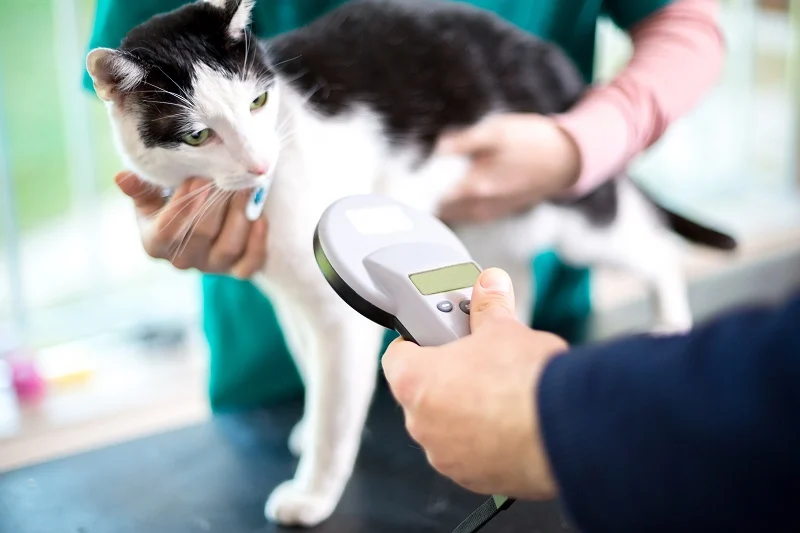
When a lost pet is brought to an animal shelter, animal control office or veterinary hospital, staff pass a handheld scanner over the pet’s shoulders. The scanner displays the chip number, and that number is looked up in a pet recovery registry to find the owner’s contact information. This is why registering the chip, and keeping your phone number and address current, matters just as much as the chip itself.
What to Expect During the Visit
Microchipping is quick and feels much like a routine vaccination. Here is what happens at our Long Beach hospital:
- A quick check first: We scan your pet to make sure they don’t already have a chip, then confirm the new chip reads correctly before placing it.
- Fast placement: The chip is inserted under the skin between the shoulder blades with a sterile needle. Most pets react about the same way they do to a vaccine.
- A final scan: We scan your pet again after placement so you leave knowing the chip works.
- Registration guidance: We give you the chip number and explain how to link it to your contact information so you can be reached quickly.
Why Microchipping Is Worth It
Many pets go missing during fireworks, thunderstorms, home moves or a gate left open by accident. A microchip is a permanent form of identification that can’t fall off or be removed like a collar. It is a one-time procedure that gives shelters and veterinarians a reliable way to contact you, which can make the difference between a fast reunion and a long search.
Microchipping is easy to combine with other visits. Many owners have it done during puppy and kitten care appointments, and it can often be added while your pet is already under anesthesia for spay and neuter surgery. Adult and senior pets can be chipped at any age, often during their regular wellness exams.
Already Microchipped? Let Us Scan It
If you adopted a pet who may already have a chip, or you aren’t sure your pet’s chip is still readable, we can scan it during any visit. We’ll share the chip number so you can confirm it is registered to you and that your information is up to date.
Pet Microchipping FAQs
Does microchipping hurt my pet?
Most pets react about the same way they do to a routine vaccination. The needle is slightly larger, but the procedure is over in seconds and most dogs and cats go right back to normal afterward.
Is a microchip the same as a GPS tracker?
No. A microchip does not track your pet’s location. It stores an identification number that a scanner can read when your pet is found, so a shelter or veterinarian can look up your contact information in a registry.
At what age can my puppy or kitten be microchipped?
Puppies and kittens can usually be microchipped during their early visits or at the time of their spay or neuter surgery. Our team will recommend the best timing based on your pet’s size and health.
Do I need to register my pet’s microchip?
Yes. The chip only holds a number, so it must be linked to your contact details in a pet recovery registry. Keep your phone number and address updated whenever they change so you can be reached quickly.
Can a microchip fall out or stop working?
Microchips are designed to last for your pet’s lifetime and stay in place under the skin. We scan the chip before and after placement, and we can check that it still reads properly during any future visit.
Should indoor cats be microchipped?
Yes. Indoor cats can slip out through an open door or window, and they often hide when frightened. A microchip gives them permanent identification if they are found and taken to a shelter or veterinary hospital.
How do I schedule microchipping in Long Beach?
Call LBC Vets at (562) 579-4485 or request an appointment online. Microchipping can often be added to a wellness exam, vaccine visit or spay and neuter surgery.
Give Your Pet a Lifelong ID Today
A few seconds at our hospital can protect your pet for years to come. Call LBC Vets at (562) 579-4485 or request a visit online to schedule microchipping for your dog or cat.