
Catch Health Changes Early, Long Before They Become Problems
Dogs and cats are good at hiding discomfort, so a routine checkup is often the first chance to spot a problem. At LBC Vets in Long Beach, CA , our veterinary team performs thorough, unhurried wellness exams that look at your pet from nose to tail. These visits establish a health baseline, catch subtle changes early and give you a clear plan for keeping your companion healthy at every stage of life.
request an appointmentWhat Happens During a Wellness Exam
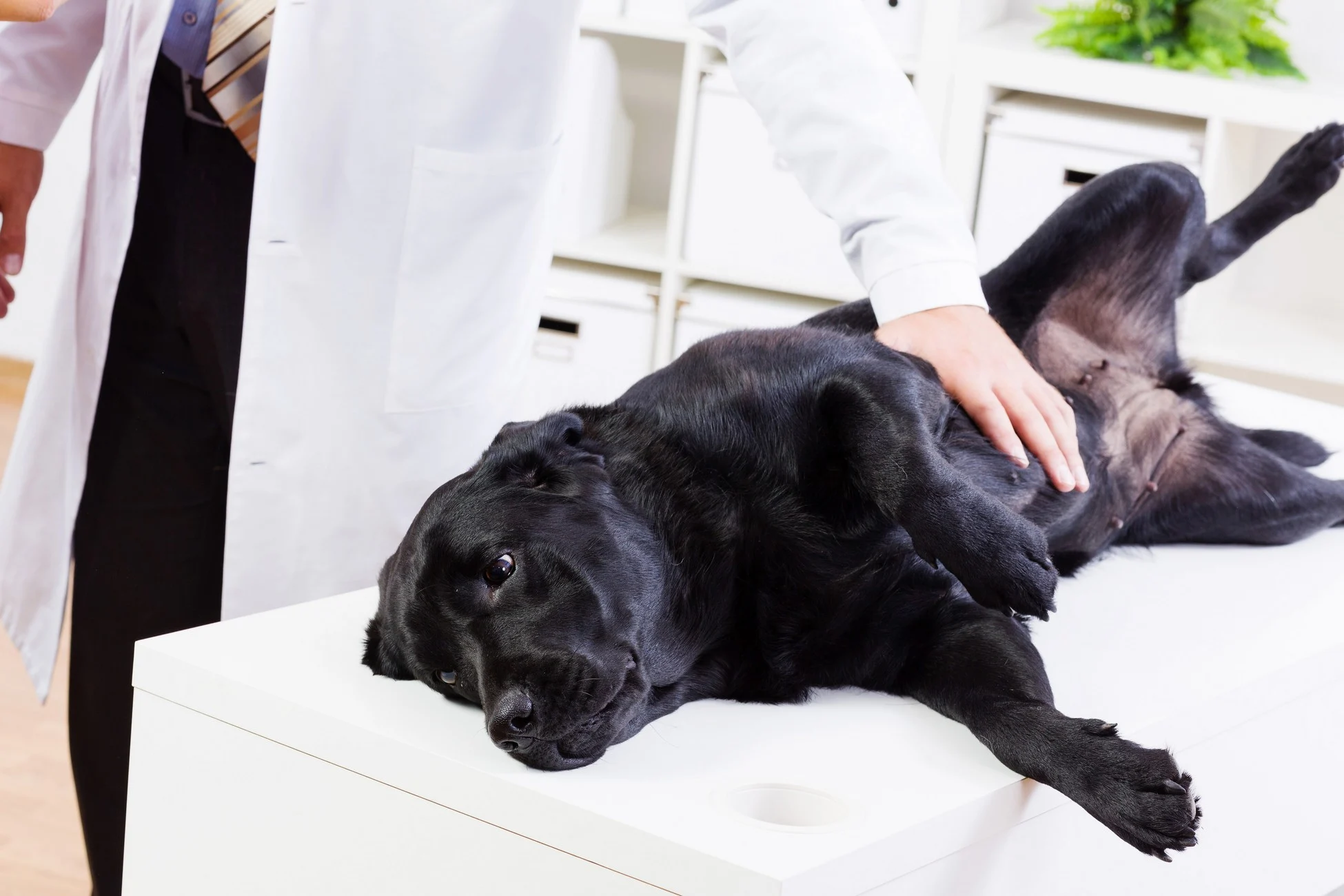
A wellness exam is much more than a quick look for obvious signs of illness. It is a structured, hands-on assessment that helps our veterinarians understand how your pet is doing today and what they may need in the months ahead. Here is what you can expect when you bring your dog or cat to LBC Vets.
Reviewing Your Pet’s History
Before the hands-on exam begins, we talk with you about your pet’s day-to-day life. Your answers help us tailor the visit to your pet’s specific needs. We typically ask about:
- Diet and appetite: What your pet eats, how much, and any recent changes in eating or drinking.
- Behavior and energy: Shifts in activity level, sleep, mood or habits.
- Medical history: Past illnesses, surgeries, medications and ongoing conditions.
- Prevention status: Current vaccines and the parasite control your pet is on.
General Observation and Body Condition
We start by watching how your pet moves and carries themselves. Posture, gait, coat quality and grooming habits all offer clues about overall health. We also assign a body condition score to see whether your pet is underweight, overweight or at an ideal weight.
Checking Vital Signs
Vital signs give us a baseline to compare against at future visits:
- Temperature: A normal range for both dogs and cats is roughly 100.5°F to 102.5°F.
- Heart rate: Dogs usually fall between 60 and 160 beats per minute depending on size. Cats typically range from 140 to 220.
- Respiratory rate: Dogs generally breathe 10 to 30 times per minute at rest, and cats about 20 to 30.
A Head-to-Tail Physical Exam
Next, your veterinarian carefully examines each part of your pet’s body:
- Eyes: Redness, cloudiness or discharge that could point to infection, glaucoma or cataracts.
- Ears: Swelling, odor or debris that may signal infection or ear mites.
- Mouth and teeth: Tartar, gum inflammation, broken teeth or oral growths. Oral health has a major effect on overall health.
- Skin and coat: Fleas, ticks, dryness, redness, hair loss or new lumps that can reveal allergies or infections.
- Lymph nodes: Swelling in the nodes around the neck, armpits and groin.
- Abdomen: Gentle palpation to feel the liver, kidneys and spleen and check for pain, masses or organ enlargement.
- Muscles and joints: Stiffness, pain or reduced range of motion.
- Reproductive organs: Swelling, discharge or abnormal growths.
Listening to the Heart and Lungs
With a stethoscope, your veterinarian listens for heart murmurs, irregular rhythms and breathing sounds such as wheezing or crackles that may indicate respiratory disease.
Neurological Checks
When it makes sense for your pet, we test reflexes, coordination and responsiveness. These quick checks can uncover nerve problems or neurological conditions early.

Diagnostic Testing When Needed
If something during the exam needs a closer look, we may recommend bloodwork, a urinalysis, digital X-rays, ultrasound, or skin scrapings and biopsies. Because our hospital has in-house diagnostic tools, many results are available quickly so we can make decisions without long waits.
Your Pet’s Prevention Plan
We finish by reviewing what your pet needs to stay healthy, including updates to pet vaccinations, year-round parasite prevention for fleas, ticks and heartworm, nutrition and exercise guidance, and a schedule for dental cleanings.
Time for Your Questions
Every wellness visit includes time to talk about anything on your mind. It is the perfect moment to mention excessive scratching, appetite changes, new behaviors or anything else that seems different about your pet.
Why Regular Exams Matter
Many common conditions, including arthritis, kidney disease and dental disease, develop slowly and stay hidden until they are advanced. Yearly exams for healthy adult pets, and exams twice a year for seniors, help us find these issues while they are easier and less costly to manage. Over time, consistent visits build a detailed health record that makes even small changes easy to spot.
Wellness Care Around the Clock
LBC Vets is open 24 hours a day, 7 days a week, which makes it easy to fit a wellness visit into a busy schedule. Whether you are welcoming a new puppy or kitten, caring for a senior pet or simply keeping up with annual checkups, our team is here to help your companion live a longer, healthier life.
Pet Wellness Exam FAQs
How often should my pet have a wellness exam?
Most healthy adult dogs and cats should be seen once a year. Senior pets, typically those age seven and older, benefit from exams every six months. Puppies and kittens need several visits during their first months to complete vaccines and monitor growth.
My pet seems healthy. Why do they need a checkup?
Pets instinctively hide pain and illness, so many problems are not obvious at home. A hands-on exam can reveal dental disease, heart murmurs, weight changes, lumps and early organ issues before symptoms appear, when treatment is usually simpler.
How long does a wellness exam take?
Most wellness exams take about 30 minutes. Visits can run longer if your pet needs vaccines, diagnostic testing or if there are several concerns to discuss.
What should I bring to my pet’s wellness exam?
Bring any previous medical records, a list of current medications and supplements, and the name of the food your pet eats. A fresh stool sample is helpful for parasite screening. Jot down questions or changes you have noticed so nothing gets missed.
Will my pet need bloodwork at a wellness visit?
Not always. Routine blood and urine tests are often recommended for senior pets, pets on long-term medications, and pets before anesthesia. If the exam turns up anything unusual, your veterinarian may also suggest testing to get a clearer picture.
Are vaccines given during the wellness exam?
Yes. We review your pet’s vaccine history during the visit and can give any vaccines that are due, based on your pet’s age, health and lifestyle.
When can I schedule a wellness exam?
Our Long Beach hospital is open 24 hours a day, 7 days a week. You can request an appointment online or call (562) 579-4485 to find a time that works for you.
Give Your Pet a Healthier Future
A single wellness visit can uncover issues you would never see at home and set your pet up for years of good health. Call LBC Vets at (562) 579-4485 or request an appointment online to schedule your dog or cat’s next checkup in Long Beach, CA .